
Kenyan highlands, east of the Rift Valley
Mount Kenya
Source: Key Biodiversity Areas Partnership (opens in a new tab) · checked 17 Oct 2026
The mountain spans several counties; we haven't found an official source that lists them.
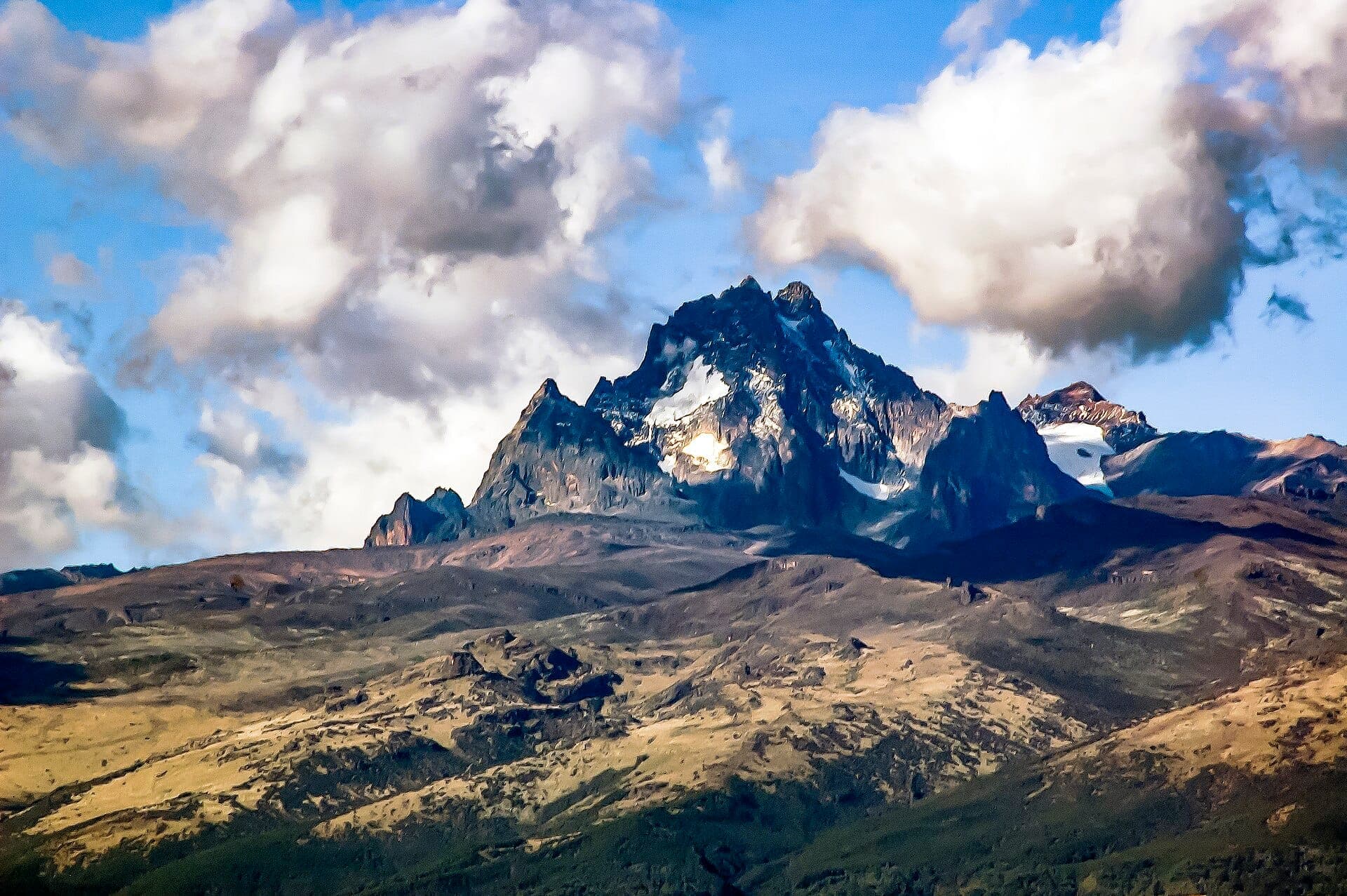
Photo: Galkey · CC BY-SA 4.0 · original
Resized to 1,920 px wide and metadata removed; displayed cropped to fit. All photo credits
About Mount Kenya
Africa's second-highest peak at 5,199 m, an extinct volcano about 193 km north-east of Nairobi. Mount Kenya National Park/Natural Forest is a UNESCO World Heritage Site, first inscribed in 1997.
Source: UNESCO World Heritage Centre (opens in a new tab) · checked 17 Oct 2026
Highlights
- Forested middle slopes, with alpine moorland and grassland above 3,000 m
- Twelve remnant glaciers, all receding rapidly
- Lewa Wildlife Conservancy and Ngare Ndare Forest, also part of the World Heritage Site, with the world's largest resident population of Grevy's zebra
Source: UNESCO World Heritage Centre (opens in a new tab) · checked 17 Oct 2026
More photos of Mount Kenya
See it in the gallery ›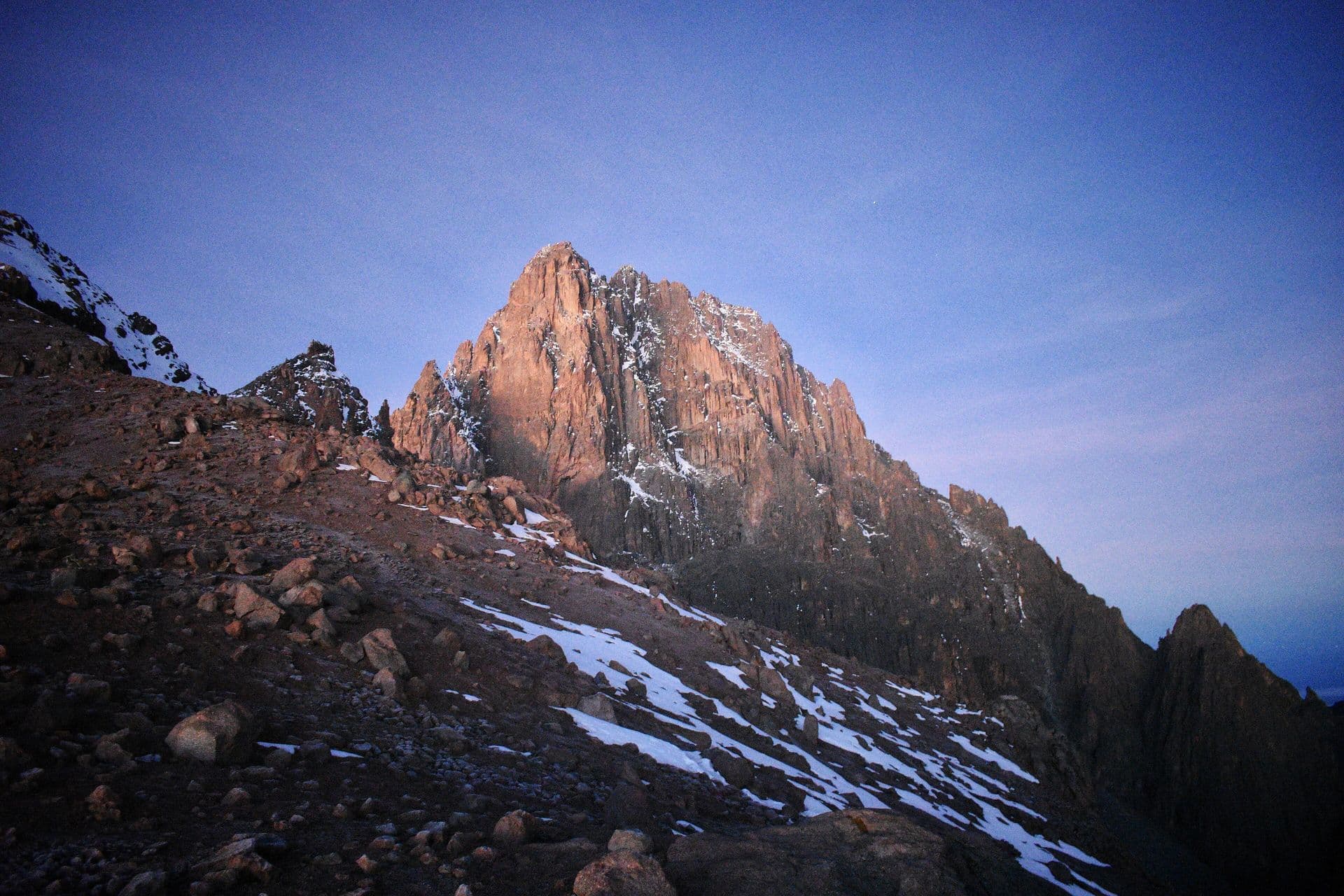

Suggested time
At least 2 days
KenyaPlus editorial guidance for a comfortable visit, not an official rule.
Confirm before booking
- Park entry fees and any climbing or guide requirements with the Kenya Wildlife Service
- Which gate and route you will use, and the road to it
- Fees and booking for Lewa Wildlife Conservancy, which is managed separately
KenyaPlus does not yet hold verified data for these.
When to go
Rain affects travel in Kenya, especially on unpaved roads. Here is the yearly pattern and the current forecast for Mount Kenya, both from the Kenya Meteorological Department.
- January: between the rains.
- February: between the rains.
- March: long rains.
- April: long rains, expected peak.
- May: long rains.
- June: between the rains.
- July: between the rains.
- August: between the rains.
- September: between the rains.
- October: short rains.
- November: short rains.
- December: short rains.
- Long rains
- Short rains
- Between the rains
- Expected peak (2026 outlook)
A summary of Kenya's national rainfall pattern from the Kenya Meteorological Department: long rains March to May (with the peak in April inland and May on the coast, as KMD expected for 2026) and short rains October to December. Other months are shown as between the rains. Rain varies by year and place, and between-the-rains months can still be wet.
Forecast: October–December 2026
For the Mount Kenya counties (Nyeri, Meru, Embu, Kirinyaga), the Kenya Meteorological Department expects above-average rainfall in October–December 2026, with rains starting in the 2nd to 3rd week of October and continuing into January.
Source: Kenya Meteorological Department (opens in a new tab) · checked 23 Oct 2026
A seasonal forecast, not a guarantee. KMD also issues monthly and weekly updates.
Kenya's rainy seasons
March to May is the main rainfall season — the “long rains” — over most parts of Kenya.
Information status: VerifiedSources: Kenya Meteorological Department: Climate outlook for the 'Long Rains' (March–May) 2026 season (KMD/FCST/01-2026/SO/01) (opens in a new tab); Kenya Meteorological Department: Climate outlook for the 'Long Rains' (March–May) 2025 season (KMD/FCST/01-2025/SO/01) (opens in a new tab) · checked 23 Oct 2026
For the 2026 long rains, the Kenya Meteorological Department expected the peak in April over most regions, and in May along the coast.
Information status: VerifiedSource: Kenya Meteorological Department (opens in a new tab) · checked 23 Oct 2026
October to December brings the “short rains”, a major rainfall season in Kenya.
Information status: VerifiedSource: Kenya Meteorological Department (opens in a new tab) · checked 23 Oct 2026
More in our guide: Best time to visit Kenya.
Park entry fees
Information status: VerifiedMount Kenya National Park — daily entry
Per person, per 24 hours. Children under 6 enter free.
| Visitor | Adult | Child |
|---|---|---|
| East African citizen | KES 800 | KES 400 |
| Kenya resident | KES 1,100 | KES 550 |
| African citizen | USD 30 | USD 15 |
| Non-resident / foreign visitor | USD 70 | USD 35 |
Official KWS tariff "Conservation Fees 2025", supplied by the KenyaPlus owner and checked on 17 Oct 2026.
- Mount Kenya National Park only. Lewa Wildlife Conservancy is managed separately and is not in this tariff.
- Entry is charged per person and is valid for one visit of up to 24 hours.
- Children aged five and younger enter free; the child rate covers ages 5–17, and students up to 23 on an organised visit from their school or college.
- Kenyan citizens aged 70 and over and persons with disability are exempt.
- Vehicle charges are extra (from KES 600 a day for a vehicle with fewer than 6 seats), as are camping and activities.
Guides for Mount Kenya
Mount Kenya
Africa's second-highest mountain: its forests, moorlands and glaciers, the Lewa extension of the World Heritage Site, and what to plan.
Aberdare National Park: moorland, forest and rare wildlife
Kenya's highland park of moorland and bamboo forest: elephants, black rhinos, bongo, over 250 bird species, trout fishing and camping.
Meru National Park: rivers, rhinos and Elsa's country
A quieter park east of Meru town — the rhino sanctuary, thirteen rivers, and the story of Elsa the lioness.
Things to do in and near Mount Kenya
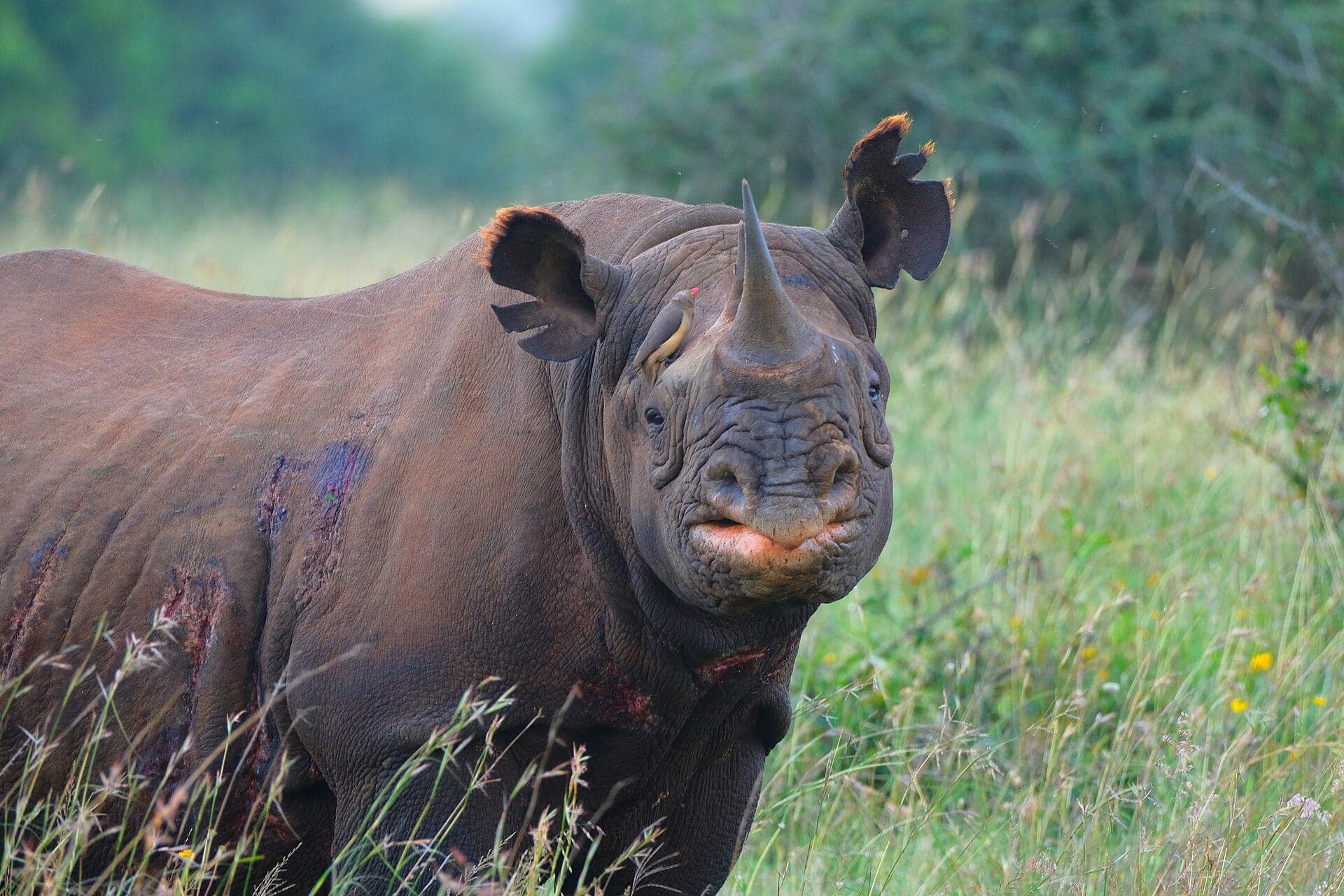
Photo: Zammerman · CC BY-SA 4.0 · original
Resized to 1,920 px wide and metadata removed; displayed cropped to fit. All photo credits
Wildlife encounters
Track down Kenya's black rhinos
Four places where checked sources record the endangered black rhino.
Where: Nairobi · Lake Nakuru · Aberdare National Park · Mount Kenya
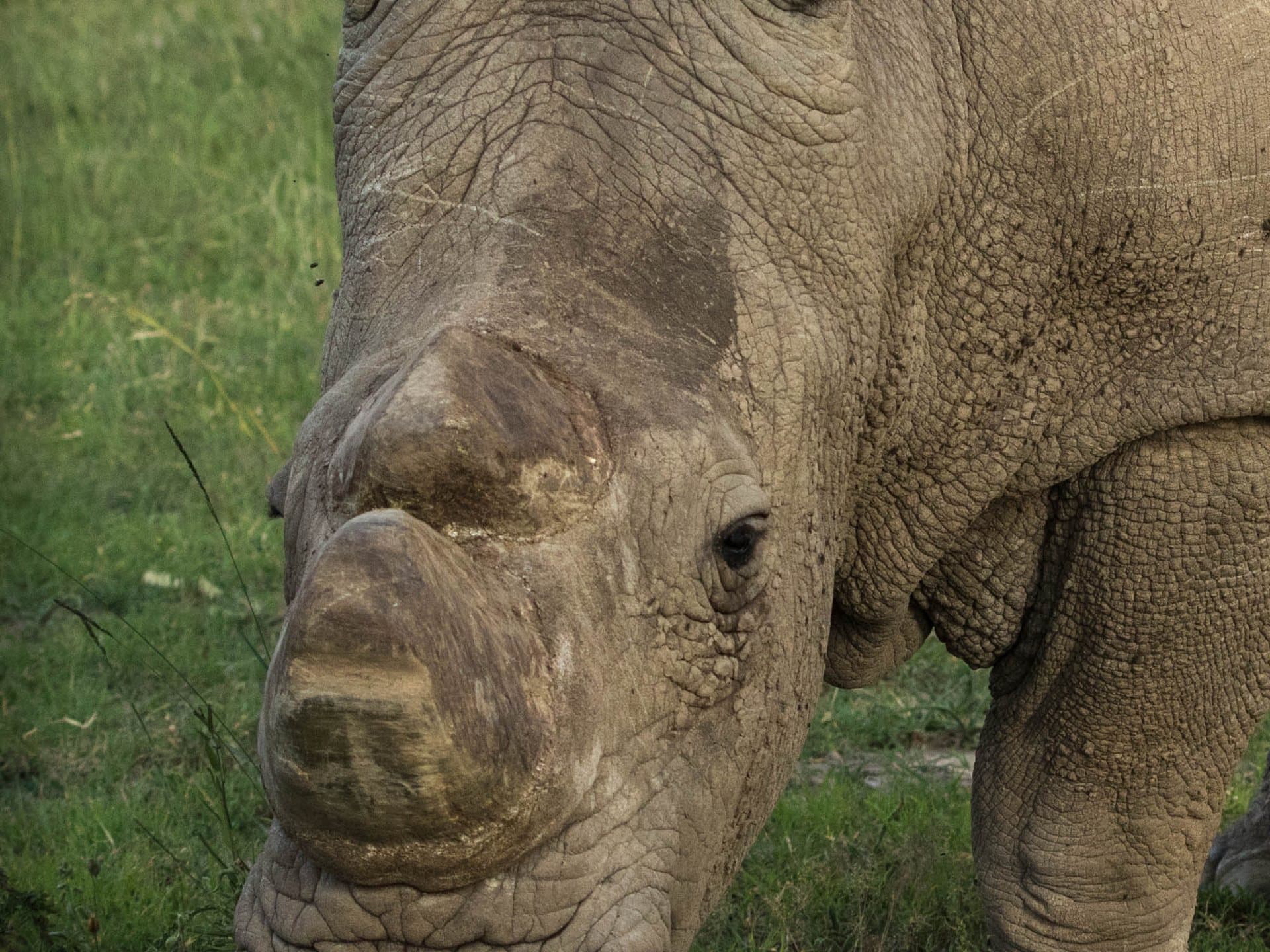
Photo: Make it Kenya / Stuart Price · Public domain · original
Cropped to a 4:3 landscape around the head, resized to 1,920 px wide and metadata removed. All photo credits
Wildlife encounters
See the last two northern white rhinos on Earth
A rare chance at Ol Pejeta Conservancy in Laikipia.
Where: Ol Pejeta Conservancy
Photo: Galkey · CC BY-SA 4.0 · original
Resized to 1,920 px wide and metadata removed; displayed cropped to fit. All photo credits
Adventure and the outdoors
Climb towards the glaciers of Mount Kenya
Africa's second-highest peak, from bamboo forest to alpine moorland.
Where: Mount Kenya


Where next from Mount Kenya
Close by
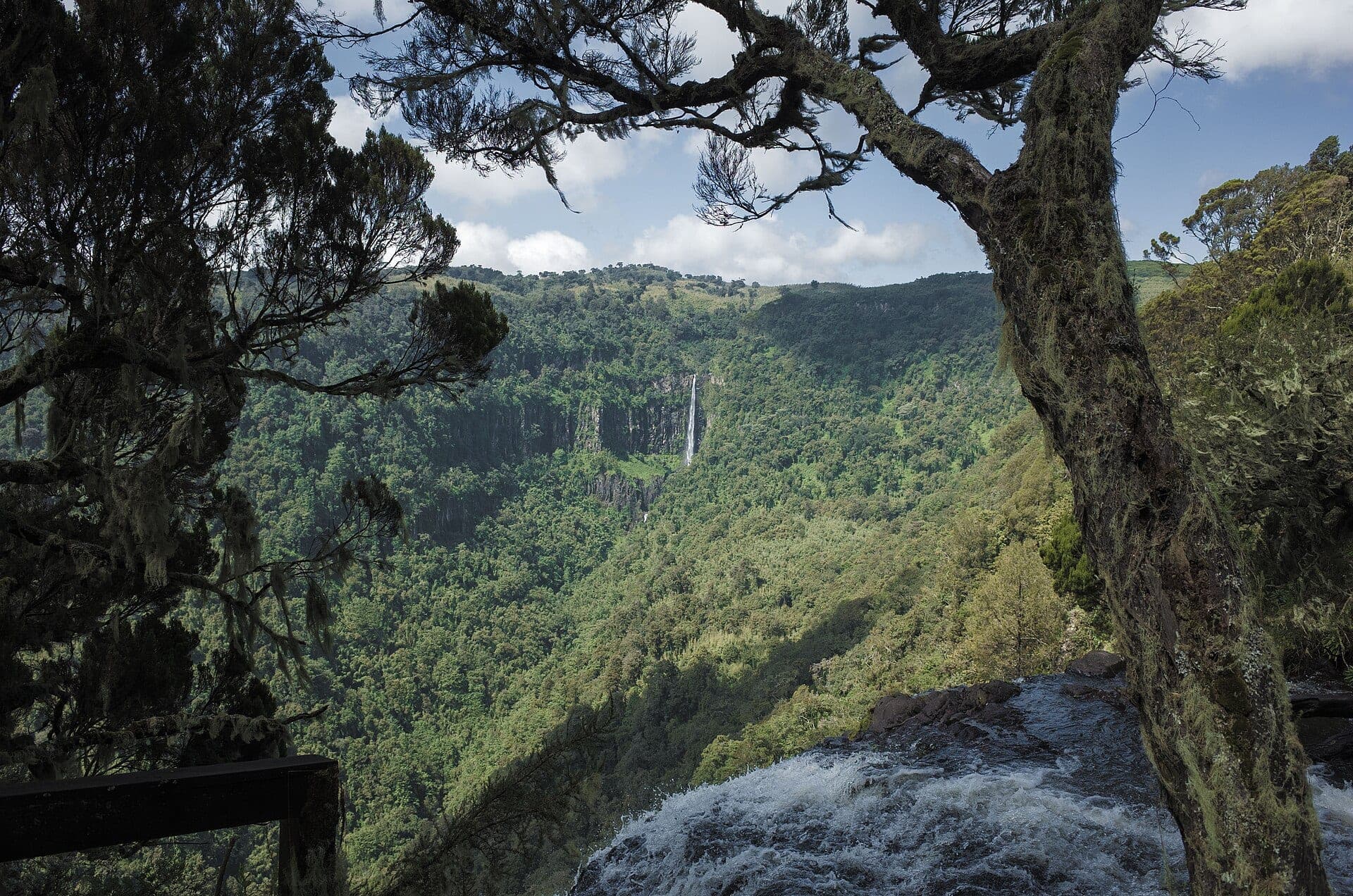
Photo: Matteo Frigo · CC BY-SA 4.0 · original
Resized to 1,920 px wide and metadata removed; displayed cropped to fit. All photo credits
Aberdare National Parkabout 3 h by road (estimate)
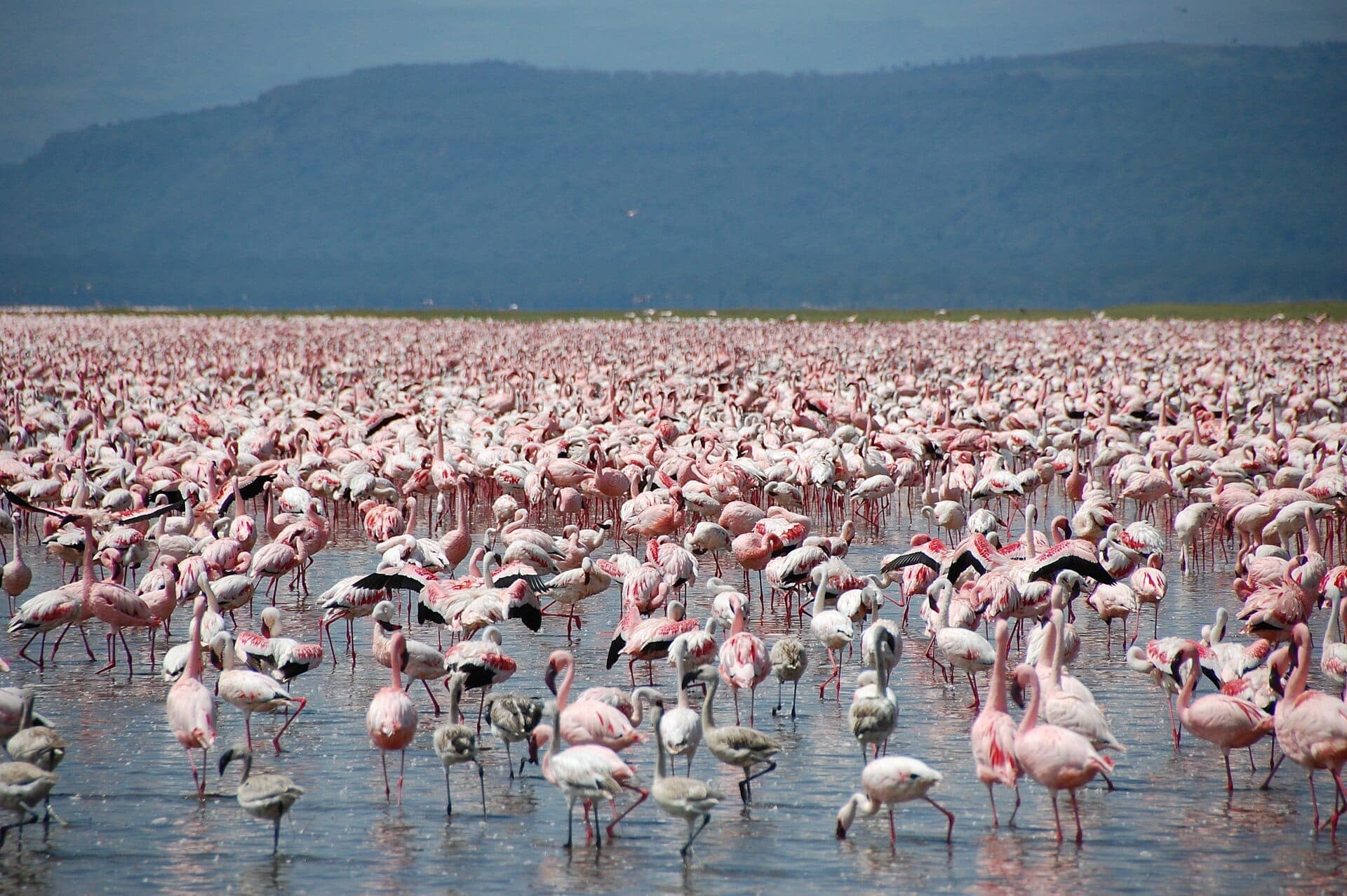
Photo: Syllabub · CC BY-SA 3.0 · original
Resized to 1,920 px wide and metadata removed; displayed cropped to fit. All photo credits
Lake Nakuruabout 3 h by road (estimate)
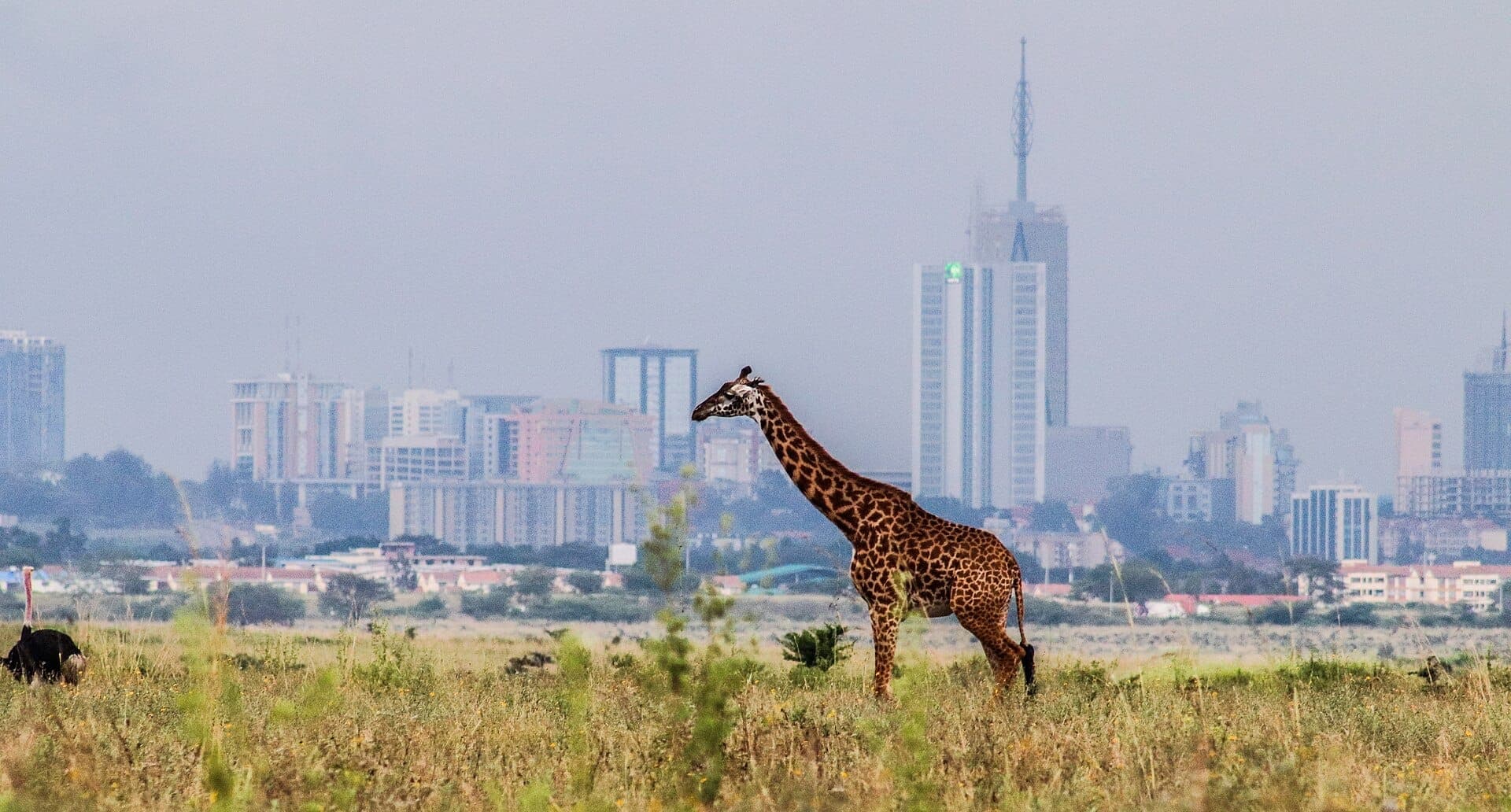
Photo: Alexmbogo · CC BY-SA 4.0 · original
Resized to 1,920 px wide and metadata removed; displayed cropped to fit. All photo credits
Nairobiabout 3½ h by road (estimate)


If you like Mount Kenya

Photo: Bett Duncan · CC BY-SA 4.0 · original
Resized to 1,920 px wide and metadata removed; displayed cropped to fit. All photo credits
NaivashaAlso good for hiking, wildlife
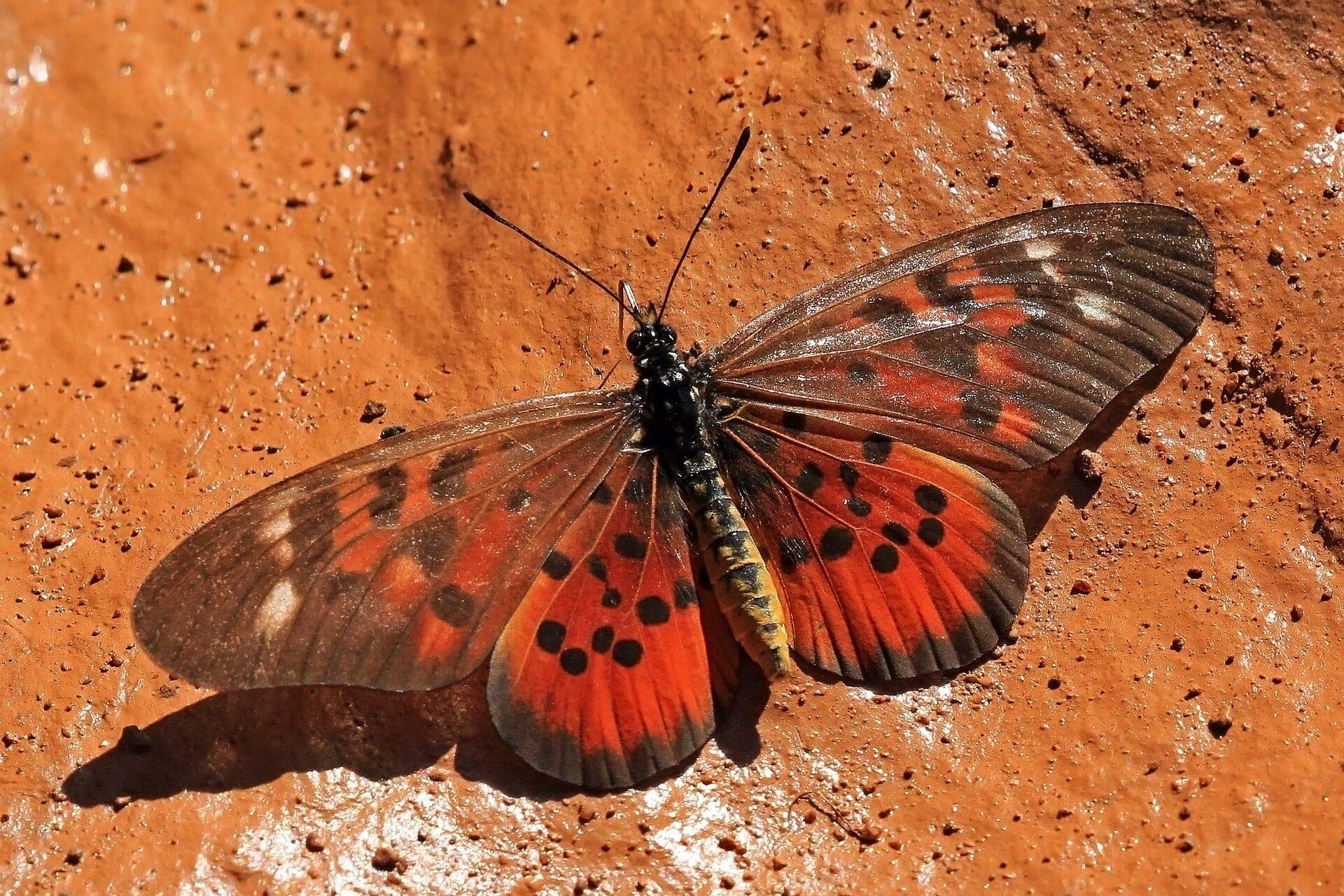
Photo: Charles J. Sharp · CC BY-SA 4.0 · original
Resized to 1,920 px wide and metadata removed; displayed cropped to fit. All photo credits
Kakamega ForestAlso good for wildlife, hiking
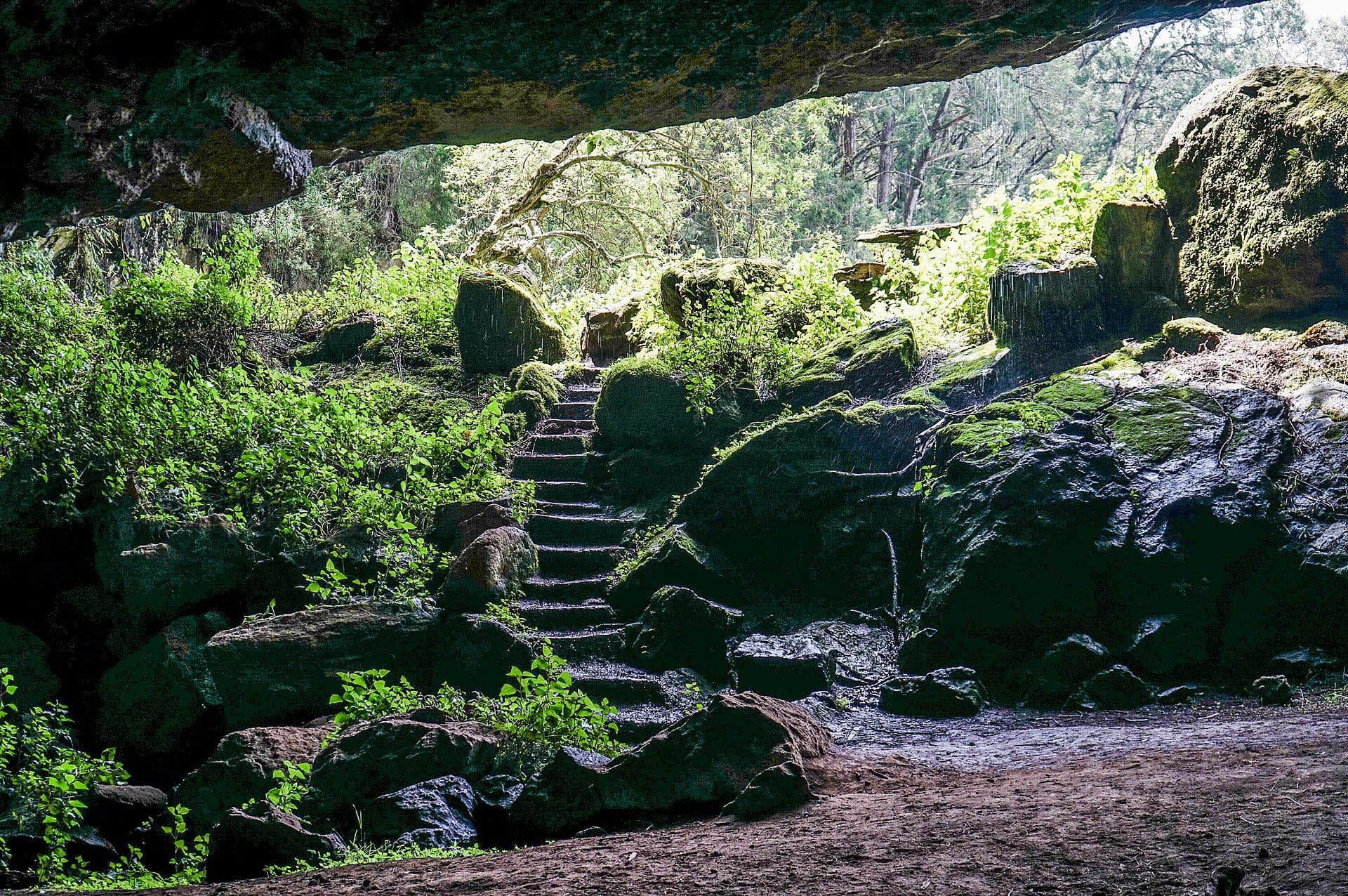
Photo: Nina R · CC BY 2.0 · original
Resized to 1,920 px wide and metadata removed; displayed cropped to fit. All photo credits
Mount Elgon National ParkAlso good for hiking, wildlife


Thinking of visiting Mount Kenya?
Add it to a plan and run the Trip Reality Check.
Sources
- Key Biodiversity Areas Partnership (opens in a new tab) — Mount Kenya — Key Biodiversity Area factsheet (last assessed 2024) (checked 17 Oct 2026)
- UNESCO World Heritage Centre (opens in a new tab) — Mount Kenya National Park/Natural Forest — World Heritage List (checked 17 Oct 2026)
Spotted something out of date? Tell us — we check corrections against the source before changing anything.